
Education
Greenhouse vs. Outdoor in the Desert: Which is More Sustainable for Cannabis Cultivation?
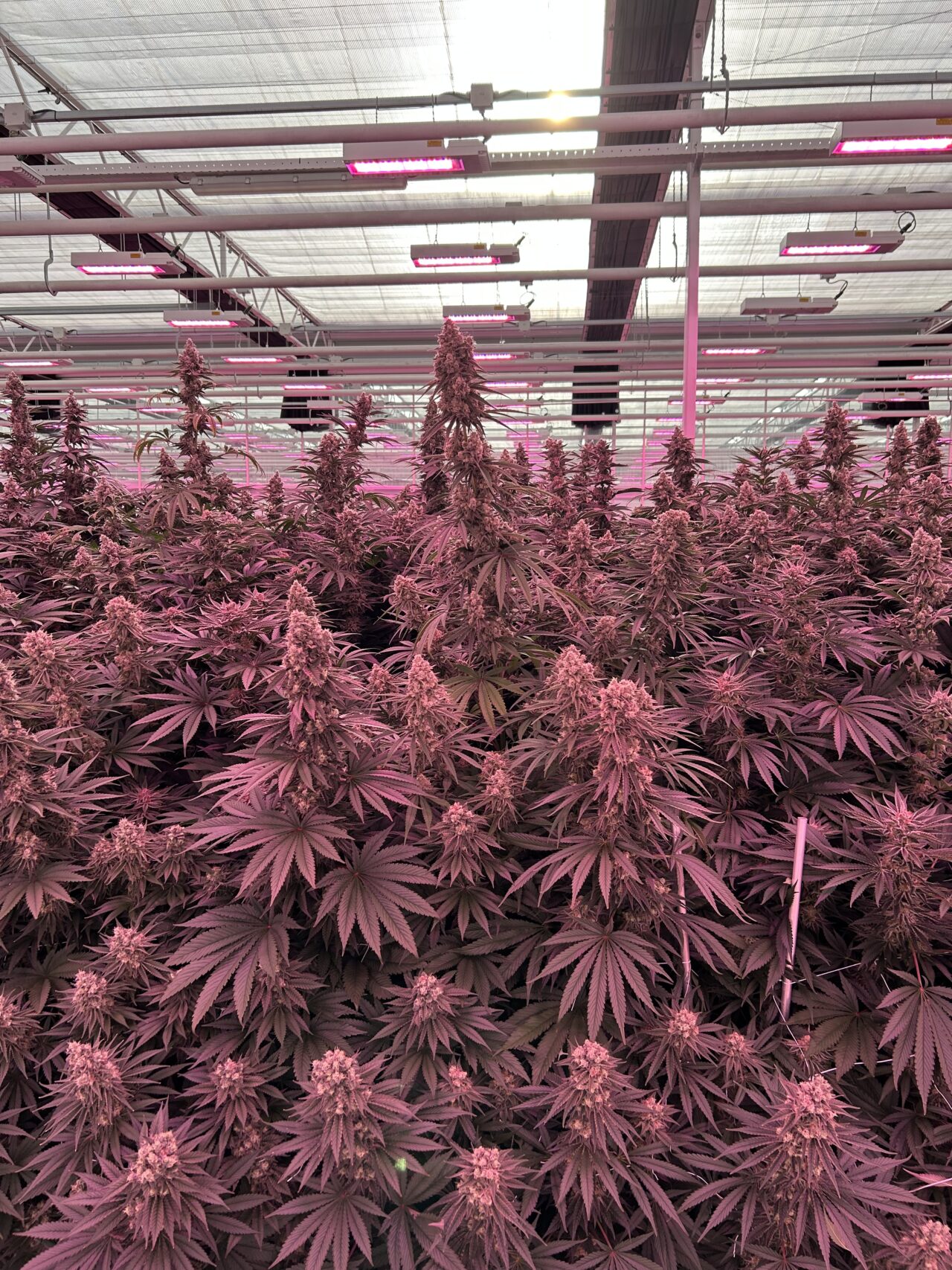
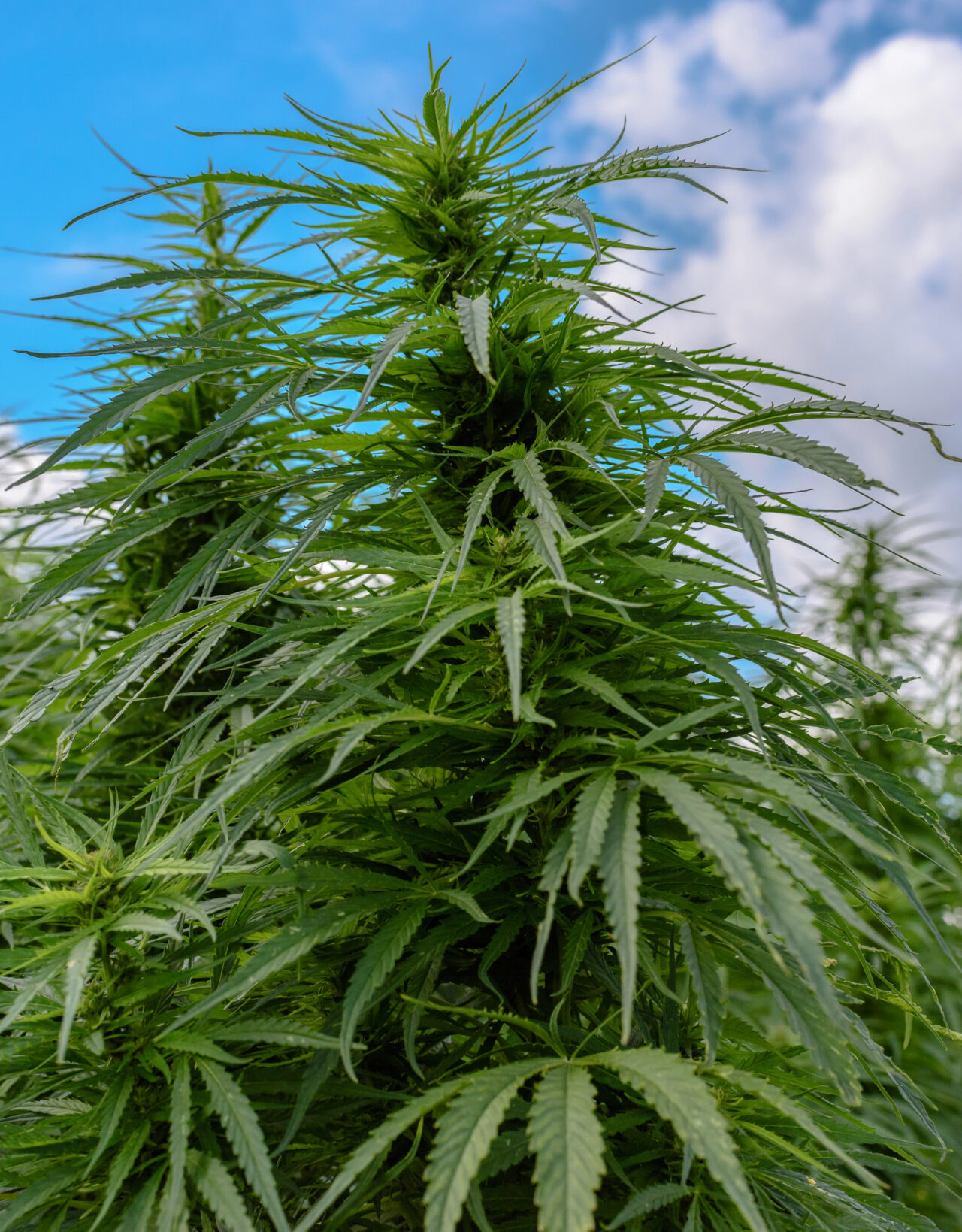
As cannabis legalization spreads and climate consciousness grows, sustainability in cultivation has become a hot topic; especially in arid regions like the American Southwest. The desert presents a unique challenge: intense sunlight, limited water, and high temperature fluctuations.
This begs the question: What’s the more sustainable method for growing cannabis in desert climates; greenhouse or outdoor sun-grown? Let’s dig into the root of it.
Desert Cannabis: The Environmental Dilemma
From Nevada to Southern California and Arizona, desert climates are known for long sunshine hours but also limited rainfall, poor soil, and extreme temperature swings. These factors make outdoor cultivation tricky—but not impossible.
Meanwhile, greenhouse cultivation, a form of Controlled Environment Agriculture (CEA), has gained popularity as a middle ground between indoor control and sun-grown affordability.
Controlled Environment Agriculture (Greenhouse Grown)
Greenhouses offer protection from environmental stressors while still harnessing natural sunlight. Here’s why they may tip the scales on sustainability:
Advantages of Greenhouse Cultivation in the Desert:
- Energy Efficiency: Uses less artificial light than indoor grows.
- Climate Control: Maintains ideal humidity and temperature, reducing plant stress and increasing yields.
- Water Use Optimization: Often integrated with drip irrigation and water recapture systems.
- Pest Management: Easier to keep pests and pathogens out than outdoor grows, reducing need for pesticides.
Challenges:
- High Initial Cost: Building and maintaining greenhouses isn’t cheap.
- Energy Use for Cooling: In extreme desert heat, running fans, vents, and evaporative cooling can still drive energy costs up.
- Plastic Waste: Polyethylene covers must be replaced every few years, contributing to landfill waste.
With renewable energy inputs and smart design, greenhouses offer a scalable and efficient option with a lower carbon footprint than traditional indoor grows.
Outdoor Sun-Grown Cultivation
Outdoor cannabis has long been hailed as the most “natural” and carbon-light method of cultivation. But is that still true in the desert?
Advantages of Outdoor Cultivation:
- Minimal Infrastructure: No lights, HVAC, or enclosures required.
- Low Energy Input: Truly sun-grown—your only “bill” is Mother Nature.
- Biodiversity Friendly: Can integrate regenerative practices like cover cropping and companion planting.
Challenges:
- Unpredictable Climate: Desert nights can dip below freezing, and scorching daytime heat can fry fragile flowers.
- Water Scarcity: High evapotranspiration rates make water conservation critical.
- Yield Risk: One freak windstorm or pest outbreak can take out an entire crop.
With sophisticated water management and soil health practices, outdoor cultivation in the desert can be sustainable—but it’s highly dependent on site selection and farming expertise.
The Water Factor: Who Wins?
Let’s address the elephant in the grow room: water. Cannabis is a thirsty plant, and the desert doesn’t offer much to drink.
- Greenhouses tend to recapture and recycle more water, thanks to closed-loop irrigation systems and humidity controls. At True Harmony Co. we source natural artisan water from a mountain spring, which is even more sustainable.
- Outdoor grows often rely on surface or groundwater, with higher evaporation rates and lower control over loss.
In water-stressed regions, greenhouses have a clear edge—especially those implementing desalination or gray water recycling.
Carbon Footprint & Lifecycle Emissions
According to a study by Colorado State University, indoor cannabis can have 10-20x more carbon emissions per gram than sun-grown flower. While greenhouses land somewhere in between, outdoor grows still offer the lowest emissions; if water isn’t overused.
In the desert, however, outdoor grows often require pumping, transporting, and over-irrigating, all of which erode the carbon benefit. When done right, greenhouses with solar integration can offer the best balance of control and emissions reduction.
Final Verdict: Which is More Sustainable?
Factor | Greenhouse | Outdoor |
Energy Efficiency | ✅ Moderate | ✅ High |
Water Conservation | ✅ High | ❌ Variable |
Carbon Emissions | ✅ Lower than indoor | ✅ Lowest (in ideal conditions) |
Yield Reliability | ✅ High | ❌ Risky |
Infrastructure Needs | ❌ Higher upfront | ✅ Minimal |
Winner in the Desert: Mixed Light Greenhouse Cultivation (Like we do at True Harmony Co.)
In the harsh desert environment, greenhouse cultivation wins on water savings, yield stability, and controlled energy use. While traditional sun-grown flower may reign in coastal or temperate zones, in the desert, sustainability means smart design—not just sun exposure.
Optimized for the Future
If you’re a cultivator, policymaker, or conscious consumer in Nevada or the greater Southwest, remember: true sustainability is not just about what’s natural; it’s about what works long-term without draining our resources.
Greenhouses, especially solar-powered and water-recycling designs, are paving the way for scalable, efficient cannabis cultivation in dry climates.